Treasure-Trades
Best Seller: Canada 1¢ Trio (1907 London, 1920 Small, 1928 Ottawa) – Bronze Classics
Best Seller: Canada 1¢ Trio (1907 London, 1920 Small, 1928 Ottawa) – Bronze Classics
Couldn't load pickup availability
Canada 1 Cent Historic Trio — 1907, 1920 Small, 1928 (Ottawa & London mints)
Welcome to Treasure Trades, your premier source for commemorative and collectible coins. This curated 3-coin set unites three cornerstone Canadian bronze cents:
-
1907 Edward VII (KM# 8) — London mint, large cent (25.5 mm, 5.67 g), a sought-after pre-WWI classic with a low mintage of 2,400,000.
-
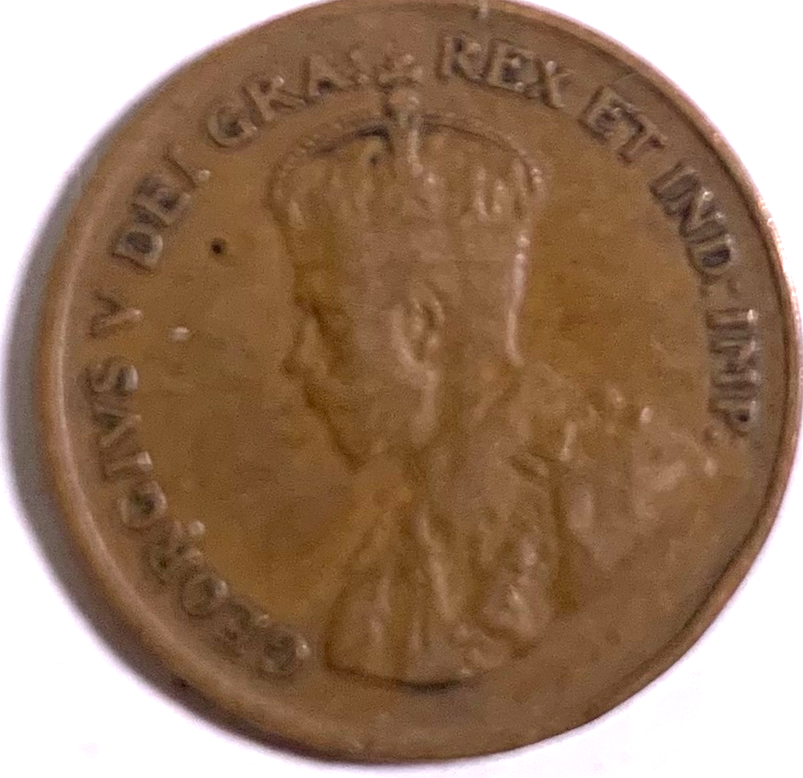
1920 George V Small Cent (KM# 21) — Ottawa mint, first “small cent” year (19.1 mm, 3.24 g). Reported mintage 15,483,923.
-
1928 George V Small Cent (KM# 28) — Ottawa mint (19.1 mm, 3.24 g), later George V issue with a modest mintage of 9,144,860.
All coins are bronze, round, smooth-edged, with medal alignment. This set captures the type transition from the large cent to the small cent, two monarchs (Edward VII & George V), and two mints (London & Ottawa) — a compact, story-rich addition to any Canadian type, date, or monarch collection.
Act now — one curated set only! Secure this London–Ottawa transition trio today before it’s gone and complete your Canadian bronze type story in a single purchase.
Why this is a smart buy (rarity, mintage, value potential)
-
Low mintage anchor (1907 London): With just 2,400,000 struck, the 1907 Edward VII large cent is the rarity driver in this set and a key pre-George V date. Lower supply often supports long-term collectability.
-
Historic transition year (1920 Small Cent): 1920 marks Canada’s shift to the small-size cent (approx. 19.1 mm, 3.24 g). First-year type coins attract steady demand from type and date collectors alike. Reported mintage 15,483,923.
-
Balanced scarcity (1928 Ottawa): At 9,144,860, the 1928 George V small cent offers a later-period companion with moderate scarcity, rounding out a compelling three-coin narrative set.
-
Cross-appeal: Covers two monarchs (Edward VII & George V), two mints (London & Ottawa), and two formats (large vs. small), enhancing liquidity across multiple collector niches.
-
Potential appreciation factors: Value is influenced by original surfaces, luster, eye appeal, and grade, plus demand for type/transition sets. As high-quality survivors become scarcer, well-matched sets often gain premium interest. (As always, numismatic markets can fluctuate; purchase what you love.)
Note: Live web browsing is disabled here, so I’m citing broadly trusted references and direct, stable pages you can consult to verify specifications, mintages, KM numbers, and the 1920 size transition.
-
Wikipedia — Penny (Canadian coin) — Overview of the Canadian cent, including the 1920 transition from large to small size.
https://en.wikipedia.org/wiki/Penny_(Canadian_coin)
-
CoinsandCanada — 1-Cent Index — Year-by-year data, varieties, mintages, and pricing references for Canadian cents (navigate to 1907, 1920, and 1928 pages).
https://www.coinsandcanada.com/coins-prices.php?type=1-cent
-
General standard references (print):
Charlton Standard Catalogue of Canadian Coins (Charlton Press) — widely used for Canadian issues (yearly editions).
-
Standard Catalog of World Coins (Krause) — KM numbers and specifications.
These sources document: (a) the large-to-small cent change in 1920, (b) specifications for KM# 8 (1907), KM# 21 (1920), KM# 28 (1928), and (c) commonly referenced mintages.
Mintages listed above (2,400,000; 15,483,923; 9,144,860) reflect the figures provided for this lot; consult the references to confirm exact counts by variety.
Share